The Gordon Laboratory
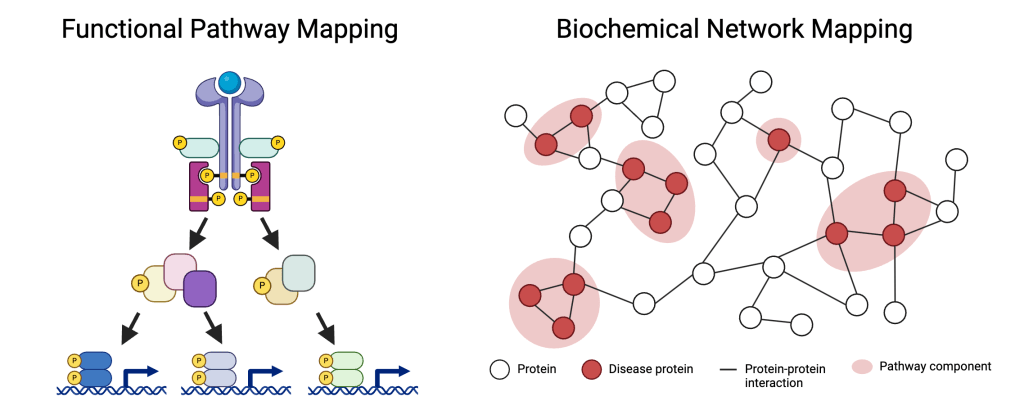
The Gordon Laboratory at Emory University utilizes high-throughput experimental genetics and proteomics to map functional pathways and biochemical networks, to understand the mechanisms of disease and create novel therapeutic strategies. Our initial focus is on virology and the immune system, since these offer tractable genetic systems, an ample supply of primary tissues, and opportunities to rapidly test therapeutic interventions.
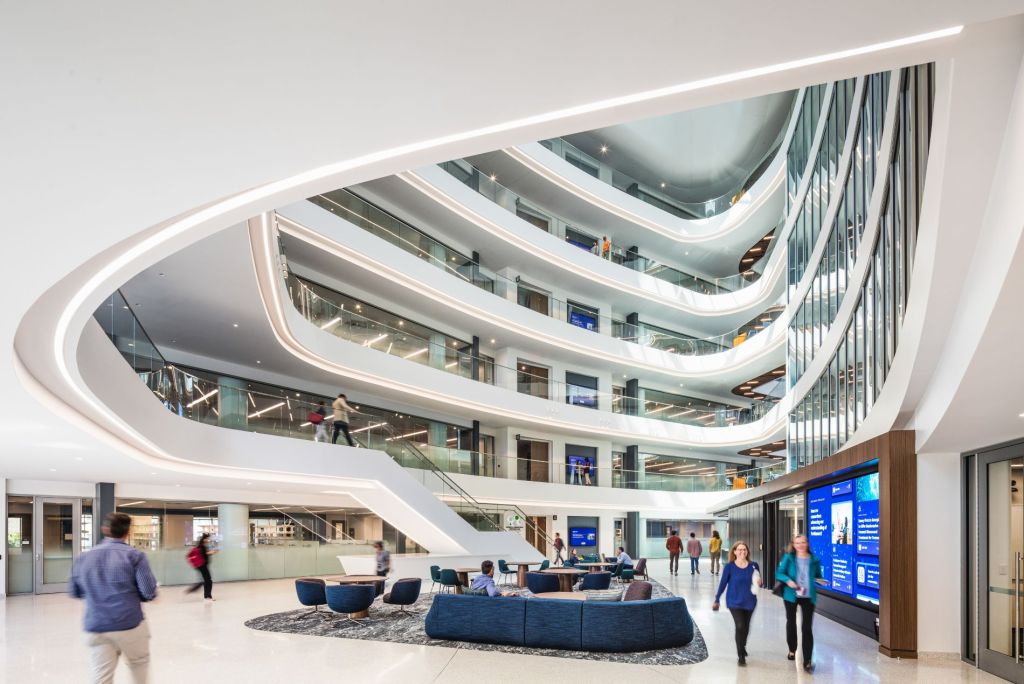
We are affiliated with the Emory University Department of Pathology, which is ranked 6th in the United States in NIH research funding, enabling superb research support and access to state-of-the-art equipment. Based next to the CDC, with ample access to BSL facilities at Emory, we are located at a nexus of infectious disease research, and our location in the Emory Vaccine Center with the Pathology Translational Research Unit provides extraordinary collaboration opportunities with world-leading immunologists. We are within walking distance to Emory University Hospital and the Emory National Primate Center, offering numerous collaborative opportunities in both clinical and animal studies.
Our Team
David Ezra Gordon, PhD
Principal Investigator
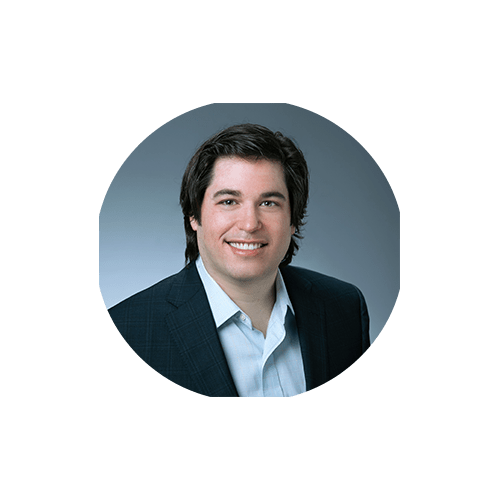
David Gordon has a diverse research background spanning cell and molecular biology, experimental genetics, proteomics, virology, and systems biology. As a graduate student at the University of Cambridge he applied combinatorial experimental genetics and proteomics to map redundant vesicle trafficking pathways. Later, as a postdoctoral fellow at the University of California San Francisco, he pioneered the use of high-throughput genetic interaction mapping to study HIV host-dependencies, and spearheaded the first peer-reviewed protein interaction maps of the highly pathogenic coronaviruses SARS-CoV-2, SARS-CoV-1, and MERS. Gordon’s laboratory builds on lessons learned during these pioneering studies to systematically dissect the mechanistic basis of immune functions and infection by pathogens of pandemic concern.
Christian Beusch, PhD
Postdoctoral Fellow
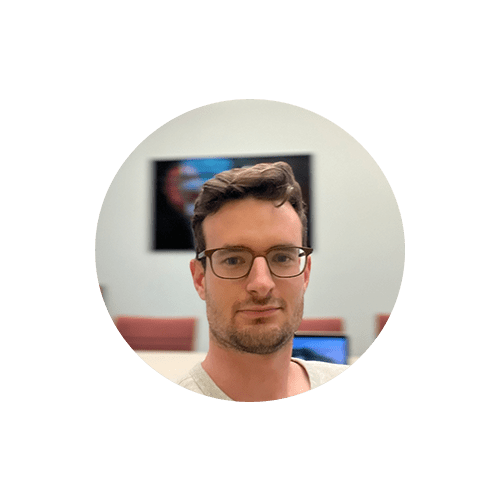
Christian earned his Bachelor’s and Master’s degrees in Interdisciplinary Sciences from ETH Zurich (Switzerland). During his time at ETH, he conducted research training within the research groups led by Prof. Ruedi Aebersold, Prof. Beat Christen, and Prof. Paula Picotti, where he developed a strong interest in systems biology and proteomics. After graduating, he pursued an internship at Hoffman-La Roche (Switzerland) before pursuing his doctoral education with Prof. Roman Zubarev at the Karolinska Institute (Sweden). In Prof. Zubarev’s lab, Christian not only acquired proficiency in established chemical proteomics methods but also pioneered the development of innovative techniques such as ProTargerMiner, SIESTA, and PISA, among others, and various versions thereof, namely PISA-Express, Ion-PISA, and ResT-PISA. These methodologies have become indispensable tools, utilized not only within the Zubarev lab but also offered as services to core facility clients. Christian’s commitment to advancing research extended beyond method development; as he created accessible interactive resources, empowering the broader scientific community to navigate multidimensional proteomics data with ease. In 2023, Christian was awarded a prestigious international Postdoctoral fellowship from the Swedish Research Council.
Carolyn Morningstar
PhD Student

Carolyn received her B.S. in Biochemistry from Juniata College and M.S. in Biochemistry and Biophysics from Brandeis University. She is currently a PhD student in the Biochemistry, Cell, and Developmental Biology program at Emory University.
At Juniata, she had an undergraduate research project to investigate the predicted structure of di-manganese superoxide dismutase and manganese catalase in bacteria. During her time at Brandies, she worked in Dr. Dorothee Kern’s lab researching the regulation of the protein-tyrosine phosphatases SHP1 and SHP2 and how this regulation evolved with the use of ancestral sequence reconstruction and kinetic assays. Additionally, she had a summer internship at C4 Therapeutics where she worked on the development of a small-molecule assay of amyloid protein aggregation for future drug development.
Jae-Kyun (James) Ko, PhD
Academic Scientist

Dr. Ko obtained PhD in Physiology and Biophysics from the Rutgers University, Robert Wood Johnson Medical School. With over 25 years of dedicated research experience, Dr. Ko is a renowned molecular and cell biologist for pioneering research in both commercial and academic settings. One of his notable achievements is inventing an innovative site-directed mutagenesis technique, which catalyzed the establishment of Mutagenex, a biotech venture company. Since 2006, he has led Mutagenex, offering advanced mutagenesis, vector construction, directed evolution, and cell line generation services to over 700 labs in 26 countries, showcasing the impact of his research and entrepreneurial spirit.
Between 2018 and 2022, Dr. Ko furthered his academic pursuits by founding the Molecular Biology Core Laboratory at Ohio State University and serving as a co-investigator on three NIH-R01 grants, securing a total of $5.56 million in funding by designing and creating key DNA constructs, cell lines, and bioassay systems. Dr. Ko spearheaded the development of highly efficient and quick screening techniques for CRISPR/Cas9-mediated gene editing and knockout in various cell lines, including human induced pluripotent stem cells (iPSCs). Dr. Ko also explored the therapeutic potential of MG53, a membrane-targeting Ub E3-ligase protein, for treating tissue injuries, integrating genetic engineering with computational approaches to manipulate protein structure and function effectively.
Lab Alumni
Chris Monaco
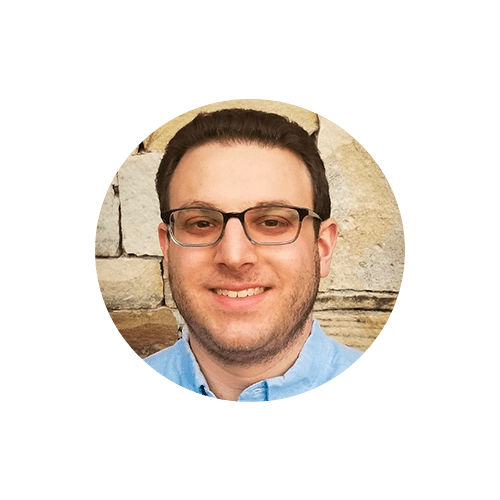
Chris received his B.S. in Electrical Engineering and M.S. in specialty Bioinformatics from Georgia Tech and is currently a PhD student in the molecular and systems pharmacology program at Emory University.
Prior to starting his PhD, Chris work worked to develop new molecular assays and custom laboratory equipment at the CDC: combining his scientific and engineering acumen to expand the capabilities of CDC scientists across the agency. At CDC, he played an active role in the development of diagnostic assays for SARS-CoV-2, collaborating with a global consortium of researcher evaluating novel alternatives to traditional PCR-based tests.
Join Our Team
We’re seeking enthusiastic candidates with diverse training in biochemistry, mass spectrometry, genetics, immunology, virology, or computational biology. Please reach out using the form below if you’re interested in working with us, or email david.ezra.gordon (at) emory.edu.


 The Gordon Laboratory